
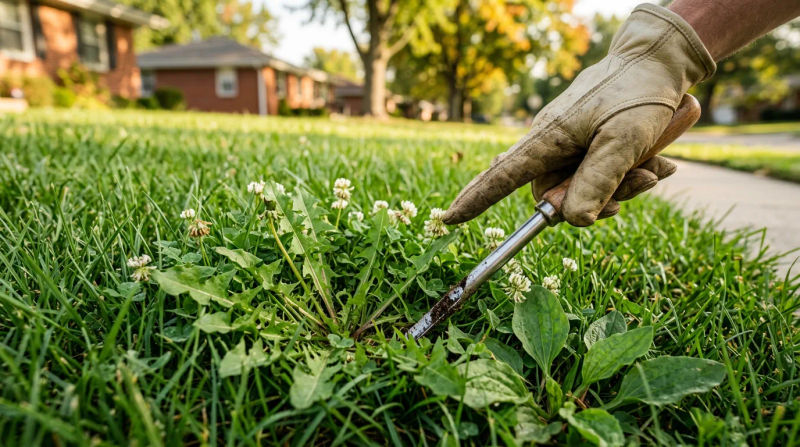
As the intense summer heat finally begins to fade across Kansas City, many of us look forward to enjoying our outdoor spaces again. You might be sipping your morning coffee on the patio, appreciating the cooler air, when you notice something isn't quite right with your lawn. It’s not the brown, dormant look of mid-July heat stress. Instead, you see patches of bright green clover, pops of yellow from dandelions, and other unwelcome guests that seem to be thriving while your desirable turfgrass is slowing down. If this sounds familiar, you're not alone. September is a critical transition period for our lawns, and what you’re seeing are clear signals that it’s time to think about fall weed control.
Many homeowners focus their weed control efforts in the spring, but autumn presents a unique and highly effective window to get ahead of next year's problems. As weeds prepare for winter, they are more vulnerable than you might think. Understanding the signs now can save you a significant headache - and a lot of work - come spring.
Common Signs and Symptoms
Recognizing the early warning signs of a fall weed invasion is the first step toward reclaiming your turf. Our technicians are trained to spot these indicators during their property assessments. Here’s what you should be looking for in your own lawn as we head toward the first frost.
- 1. Widespread Clover Patches: Is the Kansas City clover taking over lawn areas that were previously healthy grass? White clover, with its distinct three-leaf clusters and small white flowers, thrives in the cooler, moist conditions of a Midwest autumn. It often indicates low nitrogen in the soil, and it can spread aggressively, forming dense mats that choke out turfgrass.
- 2. A Second Wave of Dandelions: You fought them all spring, and now they’re back. Seeing dandelions spreading in September grass is a common sign that your lawn needs attention. These perennial weeds use the fall to store energy in their deep taproots for winter survival. This makes them a prime target for treatment now, as they will readily absorb anything applied to their leaves and send it straight to the root.
- 3. Other Broadleaf Weeds Are Thriving: Look for other low-growing weeds like henbit, chickweed, and plantain. While your fescue or bluegrass is enjoying the break from extreme heat, its growth rate is slowing. These opportunistic weeds seize the moment, taking up space, water, and nutrients. If you see a variety of weeds flourishing, it’s a clear indicator of a lawn under stress.
- 4. Thin or Bare Patches Developing: Weeds don't just look bad; they actively compete with your grass. As they win the battle for resources, your turf thins out, creating bare spots. These areas are weak points that will be the first to be overrun by weeds again next spring.
- 5. An Uneven, Patchy Appearance: From a distance, does your lawn lack a uniform color and texture? A healthy, dense lawn looks like a consistent green carpet. A weedy lawn will have multiple shades of green and varied leaf textures, creating a mottled, unkempt appearance.
- 6. You Had a Crabgrass Problem This Summer: While crabgrass is an annual weed that will die with the first frost, a heavy summer infestation leaves a legacy. It thins the turf and leaves behind exposed soil, creating the perfect environment for broadleaf weeds to establish themselves in the fall.
- 7. Visible Seed Heads When Mowing: When you mow, do you see dandelion puffs or other weed seeds scattering in the air? This is a sign that the current weed population is actively reproducing, guaranteeing a new and larger generation of weeds for the future.
What Causes This Problem
Seeing these signs is one thing; understanding why they're happening is key to effective, long-term control. Fall weed proliferation isn't random; it's a predictable biological and environmental process.
The primary cause is the natural life cycle of perennial broadleaf weeds. In autumn, these plants shift from upward growth to energy storage. They pull nutrients from their leaves down into their root systems to survive the winter. This process is their greatest strength but also their greatest weakness. A systemic broadleaf weed treatment before frost takes advantage of this, as the herbicide is transported directly to the root, ensuring the entire plant is eliminated, not just the leaves you see.
Cooling temperatures also play a major role. In the Kansas City area, our cool-season turfgrasses, like tall fescue, slow their top growth as soil temperatures drop. However, many broadleaf weeds remain active, giving them a distinct competitive advantage. They continue to absorb sunlight and nutrients while the grass is winding down for the season.
Underlying soil conditions are another significant factor. Lawns around established homes, such as the classic split-levels and ranch homes built in the 1960s and 1970s in neighborhoods like Shawnee, have had decades for soil to become compacted from foot traffic, mowing, and natural settling. Compacted soil restricts oxygen and water flow, stressing turfgrass roots while favoring the shallow root systems of weeds like clover and dandelions.
When to Call a Professional
Deciding between a DIY approach and hiring a service can be challenging. While tackling a few isolated weeds yourself is manageable, a widespread fall weed problem often benefits from professional expertise.
A DIY approach might be suitable if you have only a few small, contained patches of weeds and you're confident in identifying the weed and selecting the correct product. However, the risks of misapplication are high - using the wrong product or the wrong concentration can damage or kill your desirable grass.
Consider calling an experienced professional when:
- The Infestation is Widespread: If weeds cover more than a quarter of your lawn, a professional application is far more efficient and effective. Our technicians use calibrated, commercial-grade spray equipment to ensure even coverage without oversaturating any single area.
- You're Unsure What Weeds You Have: Proper identification is critical. A treatment that works on clover may be ineffective on thistle. Experienced professionals can quickly identify the specific weeds in your lawn and tailor a treatment plan using the most effective products.
- Timing is a Concern: The window for effective fall weed control in Kansas City is specific. It needs to be done when weeds are still actively growing but before the ground freezes. A qualified professional service understands this local timing perfectly, ensuring applications are performed for maximum impact.
- You Want an Integrated Solution: A professional assessment goes beyond just spraying for weeds. An expert can diagnose underlying issues like soil compaction, pH imbalance, or nutrient deficiencies. They can then recommend a comprehensive plan that might include fall core aeration and overseeding. This integrated approach doesn’t just kill existing weeds; it builds a thicker, healthier lawn that is naturally more resistant to future invasions.
Conclusion
Fall is not the time to coast on your lawn care efforts; it's a strategic opportunity to set your lawn up for success next spring. The weeds you see now are actively preparing for winter, making them highly vulnerable to treatment. By recognizing the signs - from spreading clover and dandelions to thinning turf - you can take decisive action.
Addressing these issues in the fall is one of the most effective investments you can make in the long-term health and beauty of your lawn. Acting early prevents a small problem from becoming a major spring renovation project. Don't let autumn weeds get the upper hand.
If you notice any of these signs, contact a local Lawn Care professional for an inspection.